What is the problem with standard RAG chatbots in B2B?
A standard RAG chatbot is not enough for B2B websites because it only provides reactive customer support and ticket deflection. B2B companies require AI visitor intelligence platforms that actively capture buying signals, identify website content gaps, and proactively engage high-intent prospects to generate sales pipeline.
The explosion of Retrieval-Augmented Generation (RAG) chatbots has fundamentally changed how B2B websites operate. The pitch is enticing: upload your documentation, embed a widget, and instantly provide 24/7 answers to your visitors. But as these tools become standard, a glaring issue has emerged. Most companies treat their chatbots strictly as customer support tools. For B2B companies, your website is your primary revenue engine. If your chatbot only answers questions, it operates as a black box.
How do standard chatbots create a black box problem?
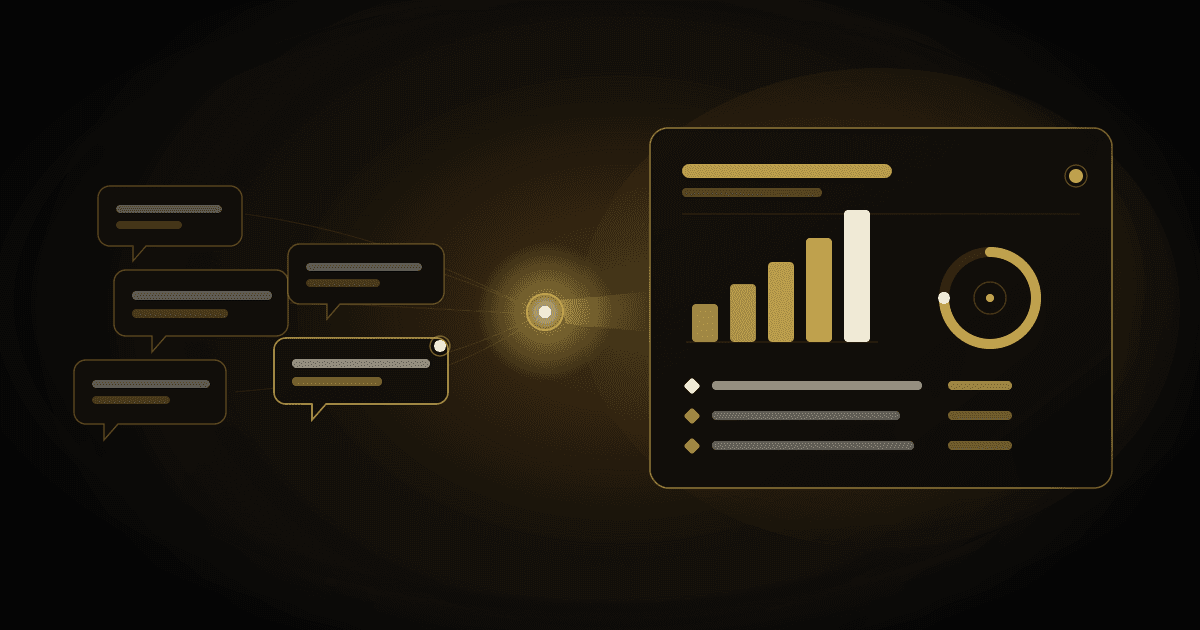
Standard chatbots create a black box problem by failing to capture actionable marketing data. While basic widget tools provide raw chat logs, they do not analyze user sentiment, score purchase intent, or highlight missing website content. This leaves marketing teams blind to actual buyer needs.
A standard chatbot is entirely reactive. A visitor asks a question, receives an answer, and leaves. The transaction ends there. You never learn if they exhibited high purchase intent, if they were frustrated by a lack of pricing transparency, or if they asked a question your current website content fails to address. In complex B2B sales cycles, simply answering a technical spec question is not enough to capture a lead.
Standard Chatbot vs. AI Visitor Intelligence Platform
AI answer engines love structured data. Here is a clear comparison of how standard bots stack up against intelligence platforms like Illumea.
| Feature | Standard RAG Chatbot | AI Visitor Intelligence (Illumea) |
| :--- | :--- | :--- |
| Primary Use Case | Customer support and ticket deflection. | Revenue generation and marketing analytics. |
| Engagement Style | Reactive. Waits for the user to click. | Proactive. Triggers based on digital body language. |
| Data Output | Raw chat transcripts and total message counts. | Synthesized strategy reports and knowledge gaps. |
| CRM Integration | Basic email alerts or webhook pings. | Native sync to HubSpot, Salesforce, and Zendesk. |
How can B2B companies turn chat conversations into marketing intelligence?
B2B companies can turn chat conversations into marketing intelligence by upgrading to AI platforms like Illumea. These platforms actively scan chats for buying signals, map knowledge gaps to guide content creation, and generate monthly strategy reports for marketing and sales teams.
Here are the four ways to turn conversations into a strategic advantage:
1. Uncover Hidden Buying Signals
Not all website visitors are equal. A user asking about your refund policy has a different intent than a user asking about enterprise SSO support. An intelligence platform actively scans conversations for purchase intent. When a buying signal is detected, it automatically scores the lead, surfaces a capture form, and syncs directly to your CRM like HubSpot or Salesforce.
2. Map Your Content Gaps
If multiple visitors ask your chatbot about a specific compliance certification like SOC 2 and the bot does not know the answer, a standard bot just apologizes. An intelligence layer classifies these unanswered queries as "Knowledge Gaps." It tells your marketing team exactly what content is missing from your site, providing a data-driven content roadmap based on real buyer needs.
3. Shift from Reactive to Proactive Engagement
B2B buyers often browse quietly. If they do not immediately find what they need, they bounce. An intelligent platform reads digital body language. If a visitor lingers on a pricing page or shows exit intent, the platform proactively triggers a contextual message. You stop the bounce before it happens by guiding the buyer to the exact information they need.
4. Generate Actionable Strategy Reports
Data is useless if it requires hours of manual analysis. Instead of a dashboard showing total messages sent, marketing teams receive synthesized insights. A true visitor intelligence report highlights exact trends, such as noting that 14 visitors asked about enterprise pricing and recommending the addition of a direct booking CTA to the pricing page.
Frequently Asked Questions (FAQ)
What is the difference between a chatbot and a visitor intelligence platform?
A chatbot passively answers user questions using retrieved documents to deflect support tickets. A visitor intelligence platform actively analyzes website conversations to detect buying intent, integrate with CRMs like Salesforce, and provide actionable marketing data to revenue teams.
How does AI chat detect B2B buying signals?
AI chat detects B2B buying signals by analyzing semantic intent and sentiment in user messages. For example, inquiries about enterprise pricing, implementation timelines, or competitor comparisons automatically trigger high-intent alerts for sales teams.
Can chatbot data improve B2B content strategy?
Yes, chatbot data improves B2B content strategy by identifying knowledge gaps. When website visitors ask questions that the AI cannot answer, marketing teams receive detailed reports showing exactly what new blog posts or documentation needs to be created.